 Solivane
Contextual Influences on Treat Consumption
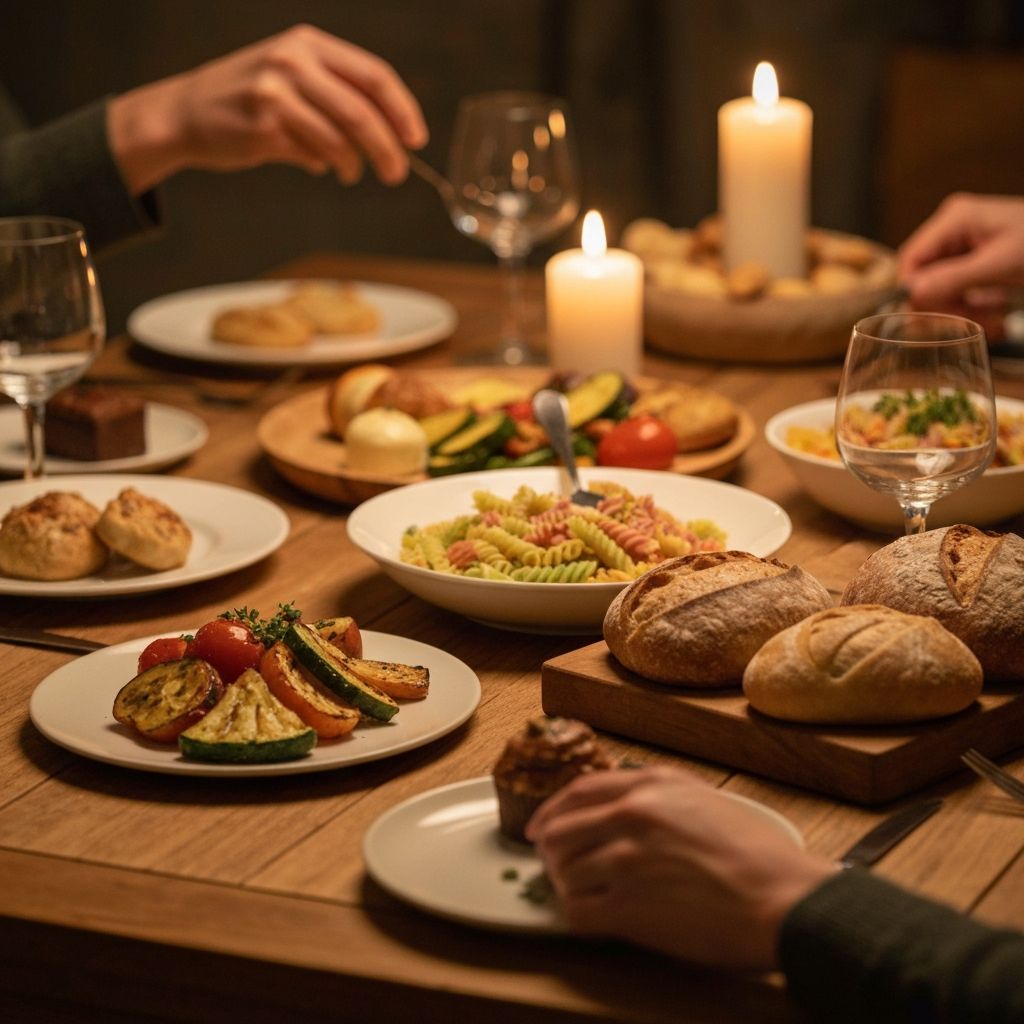
Eating Is More Than Nutrition
Nutritional and behavioural research recognises that eating serves purposes beyond simply meeting nutritional needs. Food is central to social connection, cultural traditions, celebrations, family gatherings, and moments of pleasure. The contexts in which eating occurs influence what and how much people choose to consume.
Context Matters in Research
Studies examining eating patterns document differences in consumption based on context. Eating at social gatherings, celebrations, and special occasions often involves different foods and portions than routine daily meals. These contextual variations are normal and culturally meaningful.
For example:
- Holiday meals and celebrations often include foods prepared specially for the occasion
- Social gatherings (parties, dinners with friends) may feature different foods than solitary eating
- Family traditions often centre on particular foods consumed in specific contexts
- Shared meals typically involve different portion sizes and food selections than eating alone
- Weekday eating patterns often differ from weekend patterns
Portion Sizes in Different Contexts
Research examining eating in different contexts often observes that portion sizes vary. Treats consumed as part of social celebrations or special occasions may be larger than treats consumed routinely. Conversely, social norms in certain contexts may influence smaller portions.
Context influences not just what foods are consumed but also how much. A celebration might involve a larger portion of dessert than routine eating; a family meal might include smaller portions due to sharing.
Frequency of Treats by Context
The frequency with which discretionary foods are consumed also varies by context. Treats may be more frequent during particular seasons (holidays), at certain times of life (celebrations), or in specific environments (dining out versus eating at home).
Population studies examining eating patterns note that individuals with stable eating patterns show variation in treat consumption by context rather than consuming them uniformly throughout the year.
Psychological and Social Factors
Contextual influences on eating involve psychological and social factors:
- Social Connection: Eating with others often involves foods and amounts different from eating alone
- Cultural Meaning: Foods carry cultural and family significance within particular contexts
- Emotional Response: Different contexts evoke different emotional responses that may influence eating
- Environmental Cues: The setting and available options influence what people choose to eat
- Normative Influences: What others eat in a given context influences individual choices
Individual Responses to Context
How much context influences eating varies substantially between individuals. Some people are highly responsive to contextual cues and eat very differently in different settings. Others show more consistent eating patterns across contexts.
Personal preferences, life history, family traditions, and individual psychology all shape how context influences eating. Research describes patterns observed in populations without implying these patterns apply uniformly to all individuals.
Context Without Prescription
Understanding the role of context in eating is descriptive—explaining how eating varies naturally across situations. It is not prescriptive—telling people how they should eat in different contexts.
The research acknowledges that context influences eating without specifying "correct" amounts or frequencies for different contexts. Individual needs, preferences, and circumstances are highly variable.
Limitations
Research examining contextual influences on eating has limitations:
- Self-reported eating is subject to measurement error
- Contexts are difficult to categorise consistently across studies
- Individual variation in context effects is substantial
- Context effects are intertwined with many other factors (mood, stress, activity level)
- Findings from specific populations may not generalise to others
The Broader Picture
Eating varies naturally across different contexts. Population research documents these variations. However, variation by context does not constitute advice about how to manage eating in different situations. Individual approaches to contextual eating depend on personal circumstances, health status, preferences, and many factors unique to each person.
Educational Disclaimer
This website provides general educational information only. The content is not intended as, and should not be taken as, personalised dietary or weight-related advice. For personal nutrition decisions, consult qualified healthcare or nutrition professionals.